56.6 LPA
Highest Package
800+
Campus Recruiters

100+
High-End Teaching and Research Labs
4000+
No. of Research Publications
16Cr+
Research and consultancy grants to the university
13+
Years of Educational Experience
100+
Multidisciplinary Programmes

56.6 LPA
Highest Package
800+
Campus Recruiters

100+
High-End Teaching and Research Labs
4000+
No. of Research Publications
16Cr+
Research and consultancy grants to the university
13+
Years of Educational Experience
100+
Multidisciplinary Programmes



The United Nations’ Sustainable Development Goals (SDGs) are a framework for ensuring a sustainable future. The 17 Goals provide a blueprint for addressing diverse global challenges such as poverty, gender discrimination, quality education, lack of infrastructure, climate change, access to justice, and partnerships goals, among others. The aim of the SDGs is to collaborate and mobilise efforts towards these challenges, and, as an establishment of higher education institution, K.R. Mangalam University is committed to the accomplishment of the target through effective teaching and collaborative learning. Cultivating the principle of ‘Lets Rise Together, the initiatives of this establishment is important to achieve the Sustainable Development Goals as they function as incubators of recent concepts and solutions to problems, we have a tendency to face together. As an institution we are committed to the promotion of knowledge society, we have engaged with all the “17 Goals” in varied capacities of understanding and knowledge translation.
K.R. Mangalam University proactively encourages scientific attitude, curiosity and entrepreneurial zeal in its students, so that they become capable of coming up with creative ideas on how to solve the problem of sustainable development. Interdisciplinary learning and problem-solving inspire students to respond to both global and local issues in a creative and responsible manner. This will not only help in building strong academic backgrounds, but it will also help in building future ready leaders who can transform the society. The university fosters teamwork, in which researchers, educators and students collaborate closely with citizens, partners in industry and government. Through such associations, knowledge can be co-created and effective solutions can be developed to solve acute problems. This concerted effort elevates the university to become a force behind the Sustainable Development Goals (SDGs) because education, research, and innovation remain connected to the needs of the world. In order to reinforce this, K.R. Mangalam University has integrated the SDGs on the governance, pedagogical and research approaches of the University. The management of sustainability on campus is considered as one of the priorities, and the university is considered as a socially responsible institution. By using sustainability as a framework to its activities and academic vision, the university can reduce its ecological footprint and promote the principles of environmental stewardship, inclusiveness, and moral growth in students.
The Research Centre for Sustainability and Sustainable Development Goals (SDGs) at K.R. Mangalam University serves as a strategic institutional mechanism for integrating sustainability into academic research, campus operations, policy engagement, and societal transformation. The Centre adopts a multidisciplinary and impact-oriented approach to align institutional initiatives with the United Nations Sustainable Development Goals and national sustainability priorities.
Through research-driven innovation, data-based sustainability assessment, and collaborative stakeholder engagement, the Centre contributes to measurable progress in environmental stewardship, social inclusion, and sustainable economic development. It plays a critical role in strengthening the University’s sustainability governance framework and advancing climate-responsive institutional practices at local, regional, and global levels.
At K.R. Mangalam University, sustainability is not an initiative; it is a responsibility embedded in our institutional vision and everyday practices. Guided by the United Nations’ Sustainable Development Goals (SDGs), we are committed to creating a future-ready campus that balances environmental stewardship, social responsibility, and academic excellence.
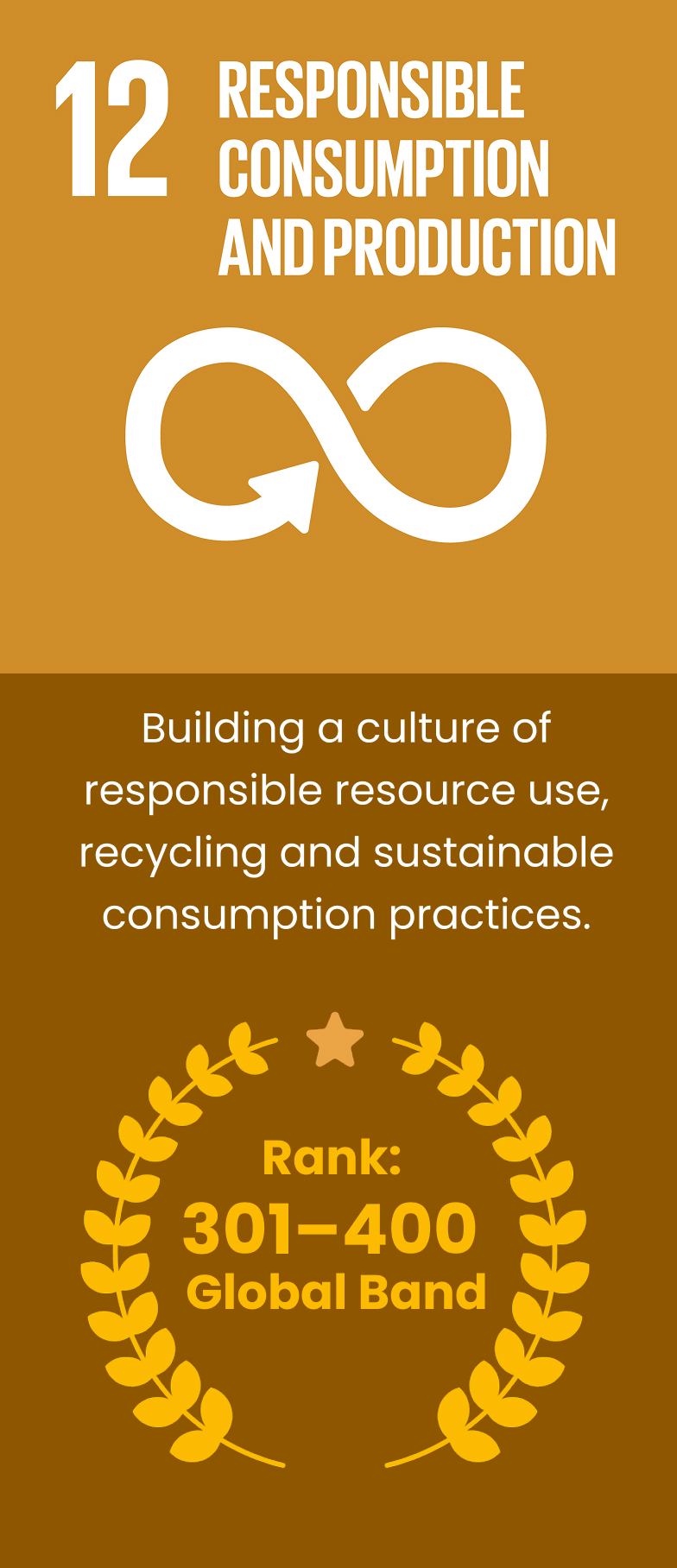
The Centre for Sustainable Development Goals at the University acts as a catalyst for integrating sustainability into teaching, research, and community engagement. Through interdisciplinary collaboration, experiential learning, and innovation-driven projects, we empower our students to address real-world challenges such as climate change, sustainable infrastructure, and responsible consumption.
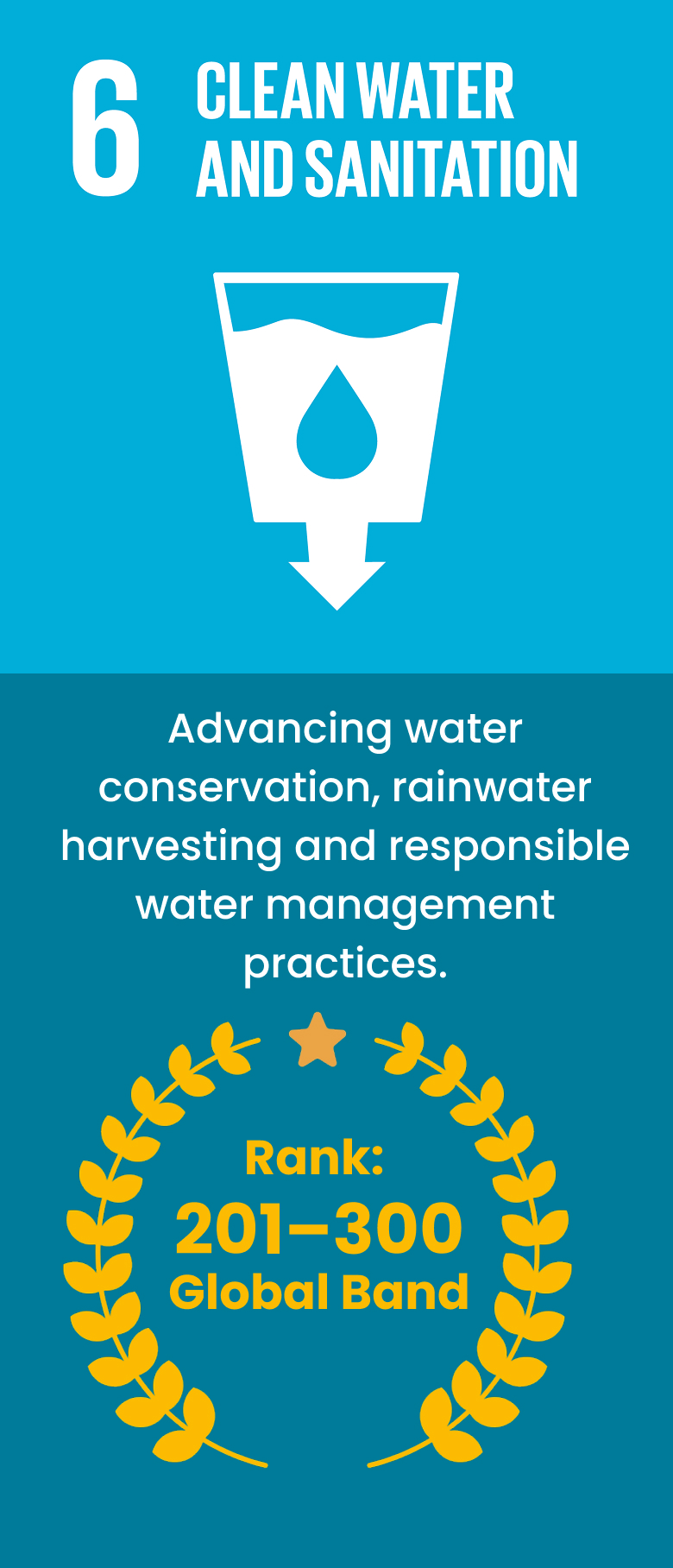
Our campus initiatives, including energy-efficient systems, water-conservation measures, waste-management practices, and green infrastructure, are designed to translate policy into practice. More importantly, we strive to cultivate a culture of sustainability where every stakeholder becomes an active participant in this shared journey.
As we move forward, K.R. Mangalam University remains committed to building partnerships, fostering innovation, and contributing meaningfully to the global sustainability agenda. Together, we aim to create not just a greener campus, but a more sustainable and resilient future for all.

Vice Chancellor
To emerge as a nationally impactful and globally engaged centre of excellence that advances sustainable development through interdisciplinary research, innovation-driven solutions, policy engagement, and community-centred initiatives, thereby generating measurable environmental, social, and economic sustainability outcomes.

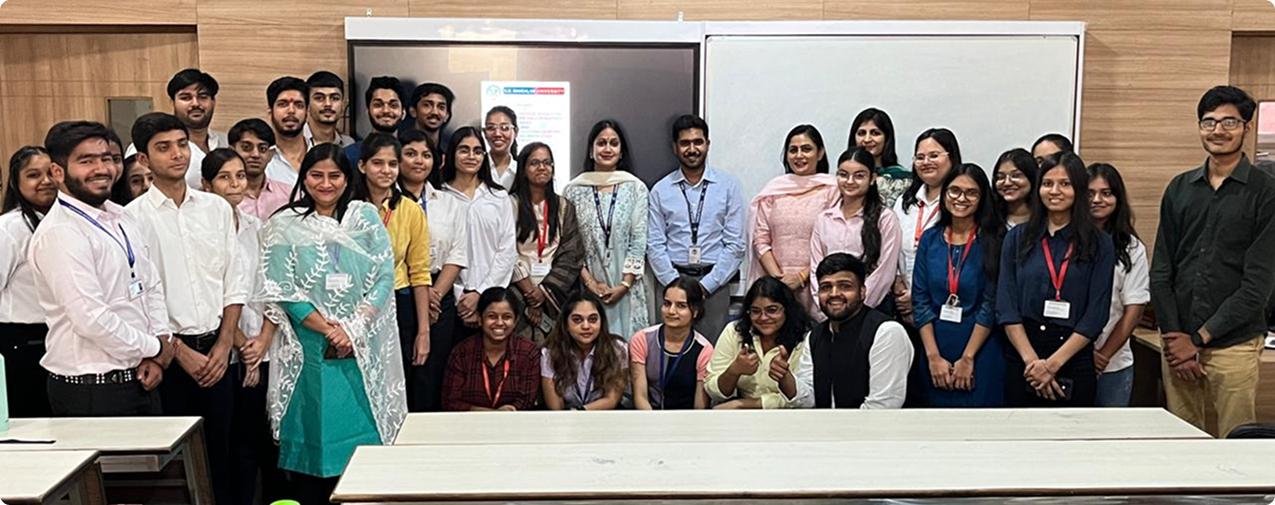
The university has institutional committees for sustainability-related initiatives, supported through the Centre of Excellence and SDG activities.
Director

School of Engineering & Technology (SOET)
Member

School of Legal Studies (SOLS)
Member

School of Legal Studies (SOLS)
Chairperson

School of Basic & Applied Sciences (SBAS)
Member

School of Legal Studies (SOLS)
Member Secretary

School of Basic & Applied Sciences (SBAS)
Member

School of Management & Commerce (SOMC)
Member
Project Head
UNESCO MGIEP

School of Architecture & Design (SOAD)
Member

School of Liberal Arts (SOLA)
Member
(2305170030) BA.LLB.(H)
Student Member
(2305140045) BA.LLB.(H)
Student Member
(2501940039) MCA (AI & ML)
Student Member
(2405994007) Ph.D. Law
Research Scholar
The Centre follows an integrated thematic research framework aligned with the University’s Institutional Sustainability Governance Model, structured across the five strategic clusters of People, Prosperity, Planet, Peace, and Partnership. These domains aim to generate knowledge, innovation, and actionable solutions contributing to sustainable development outcomes.
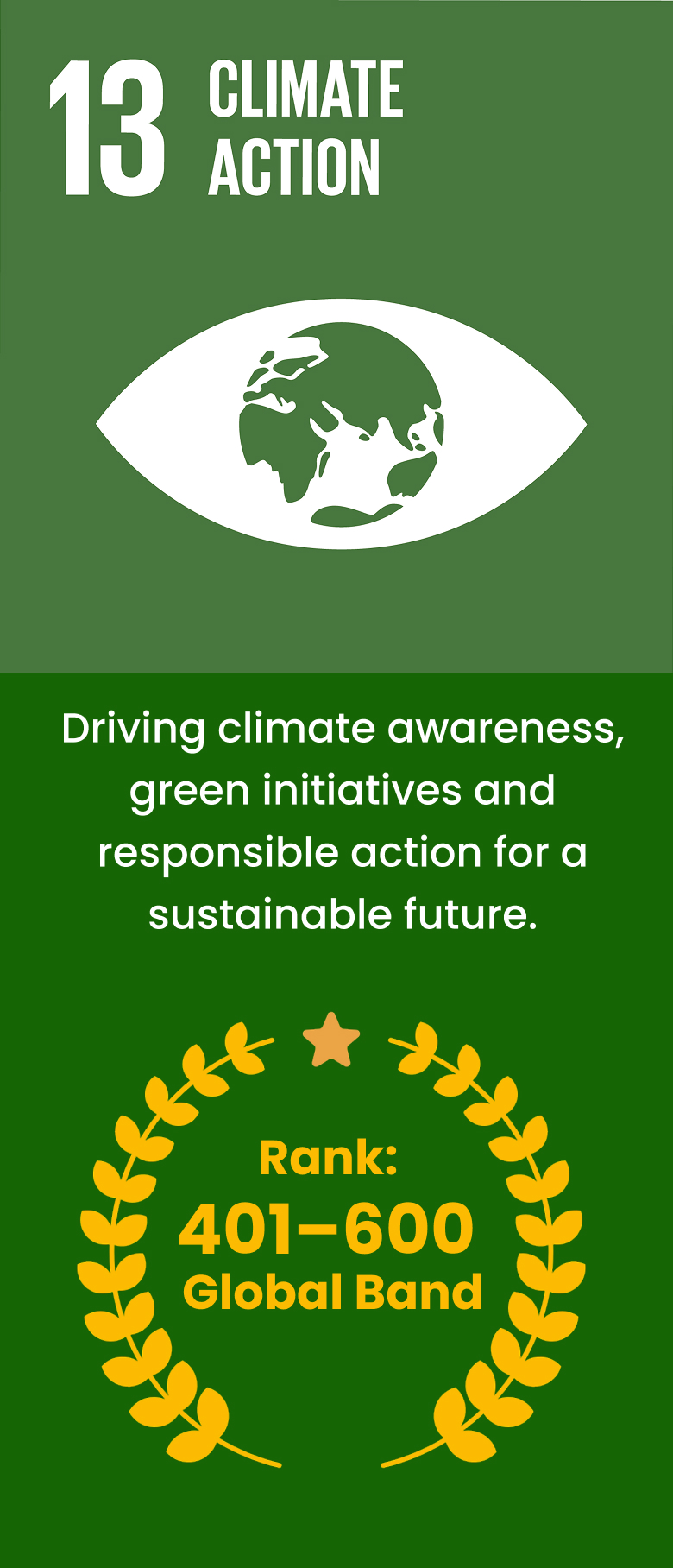
We are committed to reducing our carbon footprint through energy efficiency, sustainable practices, and continuous efforts toward achieving net-zero emissions.
Explore
K.R. Mangalam University adopts an outcome-driven approach to sustainability research, focusing on translating academic knowledge into practical solutions that support environmental protection, social inclusion, and sustainable economic development. The University promotes interdisciplinary research aligned with the Sustainable Development Goals through increasing scholarly publications, funded projects, innovation initiatives, and collaborative research partnerships at national and international levels.
Research outcomes are actively applied through pilot sustainability interventions, technology demonstrations, consultancy engagements, and policy advisory contributions. These initiatives contribute to institutional sustainability transformation as well as community development outcomes. By integrating research insights into campus practices such as renewable energy adoption, water conservation, waste circularity, and biodiversity enhancement, the University strengthens evidence-based sustainability governance and promotes climate-responsive development pathways.
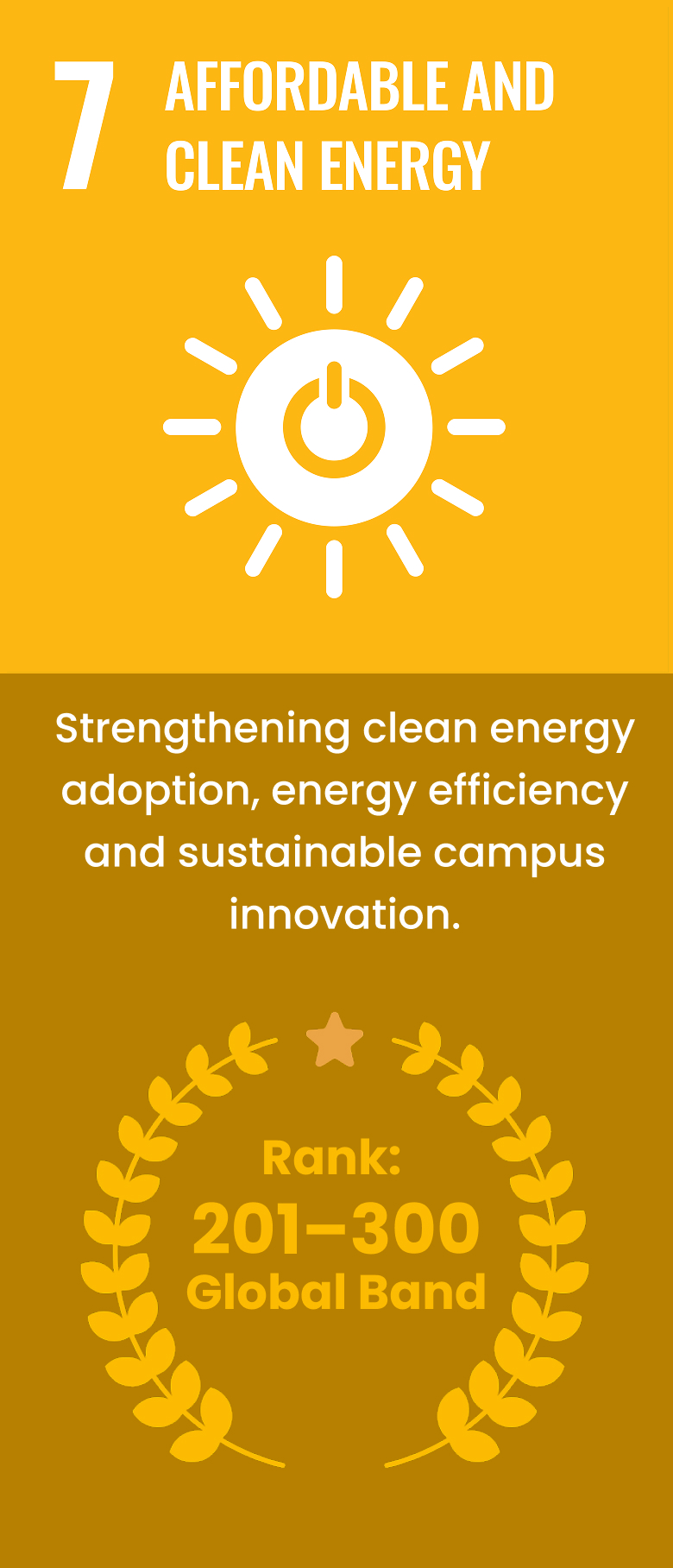
K.R. Mangalam University integrates sustainability principles into campus operations, infrastructure development, and stakeholder engagement initiatives to achieve measurable improvements in environmental performance and resource efficiency. The University has progressively enhanced renewable energy adoption, energy-efficient infrastructure, water conservation practices, and sustainable waste management systems as part of its commitment to responsible campus management.
Initiatives such as rainwater harvesting, wastewater reuse, green landscape development, and biodiversity enhancement contribute to strengthening ecological resilience and promoting sustainable behavioural practices among students and staff. By aligning sustainability research with institutional policies and operational planning, the University supports continuous performance improvement and advances its transition towards a low-carbon, resource-efficient, and environmentally responsible campus ecosystem.
K.R. Mangalam University has established a structured sustainability governance framework to guide planning, monitoring, and implementation of sustainability initiatives across academic and administrative functions. Sustainability priorities are overseen by an institutional committee under senior leadership, ensuring coordination among departments, research centres, operational units, and student engagement platforms. Regular performance reviews are conducted to monitor progress against sustainability indicators related to energy efficiency, water management, waste reduction, biodiversity conservation, and social sustainability initiatives. This governance approach promotes transparency, stakeholder participation, and continuous institutional improvement aligned with national and global sustainability priorities.
The University operationalises sustainability policies through coordinated action plans supported by defined roles, monitoring systems, and performance evaluation mechanisms. Sustainability initiatives are implemented across functional domains including energy management, water conservation, green infrastructure development, and community engagement programmes.
Institutional monitoring tools such as sustainability dashboards, internal reviews, and annual reporting processes enable tracking of key performance indicators and benchmarking with recognised sustainability frameworks. Through this integrated implementation mechanism, the University reinforces accountability, strengthens strategic sustainability commitment, and fosters a culture of environmental responsibility and inclusive development across the campus ecosystem.