Is B.Ed. a professional course? The answer is yes. It is designed to prepare aspiring teachers with the pedagogical knowledge, classroom management skills, and practical training required to teach at schools. Recognised by the relevant educational authorities, a B.Ed. degree is often an essential qualification for individuals who wish to pursue a teaching career in India.
Teaching is no longer viewed as just a job—it’s a profession that shapes future generations. As schools increasingly seek trained educators who understand modern teaching methodologies, the importance of professional teacher education has grown significantly.
In this blog, readers will understand whether B.Ed. is a professional course, and explore the B.Ed. course duration and fees, gain insights into the B.Ed. course syllabus, and learn why pursuing a B.Ed. can open doors to a rewarding career in education.
Overview of This Blog
| Sections |
What Readers Will Learn |
| Why does Professional Teacher Education matter today? |
Understand the growing demand for professionally trained teachers and the global need for qualified educators. |
| What is B.Ed.? |
Learn what a B.Ed. programme is and the skills students develop during the course. |
| B.Ed. Course Duration and Fees |
Explore the typical duration of the programme, eligibility requirements, and factors influencing course fees. |
| Career Opportunities After B.Ed. |
Discover career paths beyond classroom teaching, including online instruction, content development, school leadership, and counselling. |
| Why Pursue a B.Ed. Degree at K.R. Mangalam University? |
Learn how KRMU prepares future educators through practical exposure and industry-relevant training. |
| Conclusion |
Summarises why B.Ed. is a professional course and how it can lead to diverse and rewarding career opportunities. |
Why does Professional Teacher Education matter today?
It is important to examine the growing need for qualified teachers and professionally trained educators.
The education sector continues to require teachers who possess not only subject expertise but also pedagogical skills, classroom management abilities, and an understanding of diverse learning needs.
According to UNESCO’s Global Report on Teachers, the world will need an additional 44 million teachers by 2030 to achieve universal primary and secondary education. The report highlights that teacher shortages are a global challenge, making professional teacher preparation more important than ever.
The report also notes that:
- 7 out of the 10 additional teachers needed are at the secondary level.
- Teacher shortages are affecting both developing and developed regions.
- Investing in teacher training and professional development is critical to improving education quality worldwide.
In India, the National Education Policy (NEP) 2020 has placed significant emphasis on improving the quality of teacher education and strengthening the teaching profession. The policy recognises teachers as the cornerstone of educational reform and advocates for professionally trained educators who can meet the evolving needs of modern classrooms.
These trends indicate that teaching is not merely an academic pursuit but a specialised profession that requires formal preparation, practical training, and continuous professional development—precisely the objectives that a B.Ed. programme seeks to fulfil.
A B.Ed. Degree, according to many, is only the first step toward becoming a standard school teacher. Although teaching in a classroom is a fantastic career option, there are other options as well. With today’s educational technologies, graduates have a wide range of alternatives that we’ll discuss later in this article.
Also Read: A Comprehensive Guide to B.Ed. Course Details
What is B.Ed.?
A Bachelor of Education (B.Ed.) is an undergraduate professional programme designed for individuals who wish to build careers in teaching and education.
The programme prepares future educators to teach at secondary and senior secondary levels through a combination of theoretical understanding and practical exposure.
Students learn how to:
- Design lesson plans.
- Understand learner behaviour.
- Apply innovative teaching methods.
- Assess student performance.
- Create inclusive learning environments.
- Integrate technology into classrooms.
B.Ed. Course Duration and Fees
Duration
The B.Ed. course duration is generally 2 years, divided into four semesters.
Candidates typically need:
- A bachelor’s degree or equivalent qualification.
- The minimum aggregate percentage specified by the institution.
Fees
The B.Ed. course fees vary depending on factors such as:
- Type of institution (government or private)
- Infrastructure and facilities
- Internship opportunities
- Faculty expertise
- Additional certifications and training
Pro Tip: Students should evaluate programme quality and learning opportunities rather than selecting a course solely based on cost.
What are Career Opportunities After B.Ed.?
A B.Ed. degree is often seen as the first step toward a teaching career, but it also opens up diverse opportunities beyond the traditional classroom. Today’s educational technologies have expanded the career options available to graduates.
Online Instructor
Due to technology, education is evolving daily. The need for e-learning is always rising, and the job opportunities for B.Ed. Holders in the online world are enormous. Many e-learning portals, applications, and websites look for qualified instructors to conduct online courses.
Degree holders may create instructional films, conduct online classes, create e-lessons, or provide online tuition to students worldwide. This B.Ed. career option offers considerable flexibility, as educators can teach online from home and often have the freedom to choose working hours based on their professional commitments and preferences.
Content Writer and Developer
Talented individuals are needed by educational technology companies, publishers, and educational institutions to create their study materials.
Educational content writers or developers create textbooks, student workbooks, online assessments, and various learning resources designed to enhance the teaching-learning experience. By applying their pedagogical knowledge and understanding of learner needs, they develop engaging and effective educational materials that improve students’ interest and participation in learning. This career path enables educators to make a meaningful impact on thousands of learners and educational institutions without being directly involved in classroom teaching.
School Leadership
A B.Ed. degree equips individuals with skills that extend beyond classroom teaching, including leadership, communication, and people management. With experience and professional growth, these competencies can pave the way for advancement into prestigious leadership positions such as that of a school principal or head of an educational institution.
B.Ed. Graduates may progress into leadership roles such as school principal, vice-principal, or academic coordinator. In these positions, they oversee staff management, address day-to-day school operations, and contribute to the development and implementation of institutional policies, standards, and regulations. These administrative roles offer opportunities for professional growth, greater responsibility, competitive compensation, and the ability to influence important decisions that shape the educational environment.
Educational Counsellor or Consultant
For the child’s learning process, the majority of families and schools must consult experts in the field of education. As educational consultants, professionals can advise schools on how to retrain instructors, incorporate new technology, or alter their teaching strategies.
Alternatively, they may decide to work as career or school counsellors. Regarding their future, the majority of students experience anxiety or even confusion. With their understanding of psychology, these professionals are well-qualified to assist students in resolving personal issues and making career decisions.
Why Pursue a B.Ed. Degree at K.R. Mangalam University?
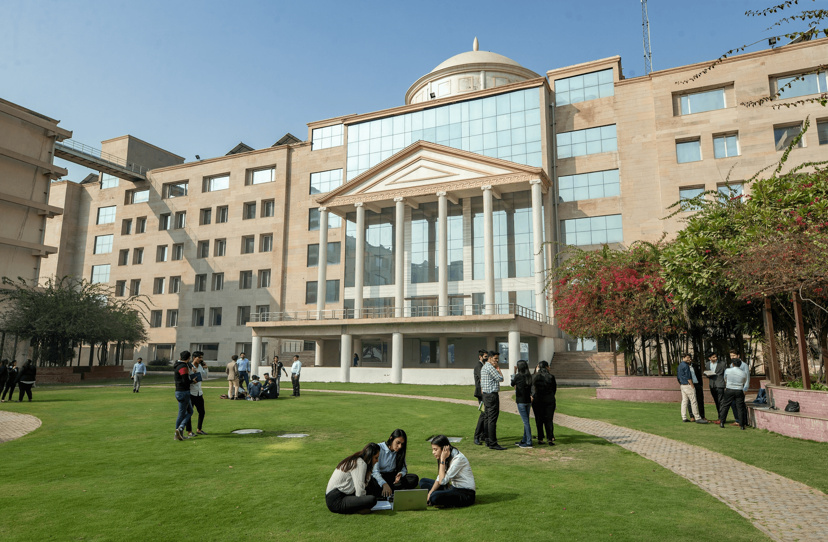
After understanding that B.Ed. is a professional course with diverse career opportunities, choosing the right institution becomes equally important. The quality of teacher training, practical exposure, and academic guidance can significantly influence an aspiring educator’s professional journey. K.R. Mangalam University offers a comprehensive B.Ed. programme designed to prepare future educators for the evolving demands of the education sector.
KRMU’s B.Ed. Course Syllabus
K.R. Mangalam University’s B.Ed. programme follows a comprehensive curriculum that combines theoretical foundations with practical teaching experience to prepare future educators for modern classrooms. Below are some topics covered by its syllabus:
- Childhood Development and Diversity
- Educational Philosophy and Purpose
- Development of Education in India
- Language and Communication in Teaching and Learning
- Environmental Education and Disaster Management
- ICT and EdTech in Teaching and Learning
- Gender Education and Schooling
- Diversity and Inclusive Schooling
The B.Ed. course syllabus at KRMU is designed to help students develop subject expertise, pedagogical competence, classroom management abilities, and professional ethics. By integrating academic learning with hands-on teaching exposure, the programme equips aspiring educators with the skills and confidence required to excel in today’s dynamic education landscape.
Conclusion
The answer to the question, “Is B.Ed. a professional course?” is undoubtedly yes. A B.Ed. degree is much more than a teaching qualification—it is a professional programme that equips aspiring educators with pedagogical expertise, classroom management skills, practical teaching experience, and the ability to adapt to evolving educational needs.
From traditional classroom teaching to opportunities in online education, educational content development, counselling, and school leadership, a B.Ed. opens doors to diverse and meaningful career paths. As the demand for qualified teachers continues to grow globally, professionally trained educators are becoming increasingly valuable in shaping the future of education.
At K.R. Mangalam University, the B.Ed. programme combines a comprehensive curriculum, practical exposure, and industry-relevant training to prepare future educators for successful and impactful careers.
Explore K.R. Mangalam University’s B.Ed. programme and take the first step towards becoming a skilled and confident teaching professional.
Also Read: Complete Guide to B.Ed. Course Admissions
FAQs
What career opportunities are available after completing a B.Ed.?
Apart from becoming a school teacher, B.Ed. graduates can pursue careers as online instructors, educational content writers and developers, school administrators, academic coordinators, counsellors, and educational consultants.
Can B.Ed. graduates work in the online education sector?
Yes. The growing e-learning industry has created opportunities for B.Ed. graduates to conduct online classes, create digital learning resources, develop e-content, and provide online tutoring services.
Is a B.Ed. degree necessary to become a teacher in India?
For teaching positions at many schools, especially at the secondary and senior secondary levels, a B.Ed. degree is often an essential qualification, along with other eligibility requirements prescribed by the relevant authorities.
Why should students choose K.R. Mangalam University for B.Ed.?
K.R. Mangalam University offers a comprehensive B.Ed. programme featuring a well-rounded curriculum, practical teaching exposure, experienced faculty, and training aligned with the evolving needs of the education sector.
Does a B.Ed. only prepare students for classroom teaching?
No, while classroom teaching remains a major career pathway, a B.Ed. also equips graduates with transferable skills that can lead to opportunities in educational leadership, curriculum development, counselling, and educational consulting.

























 13+Years of Educational Experience