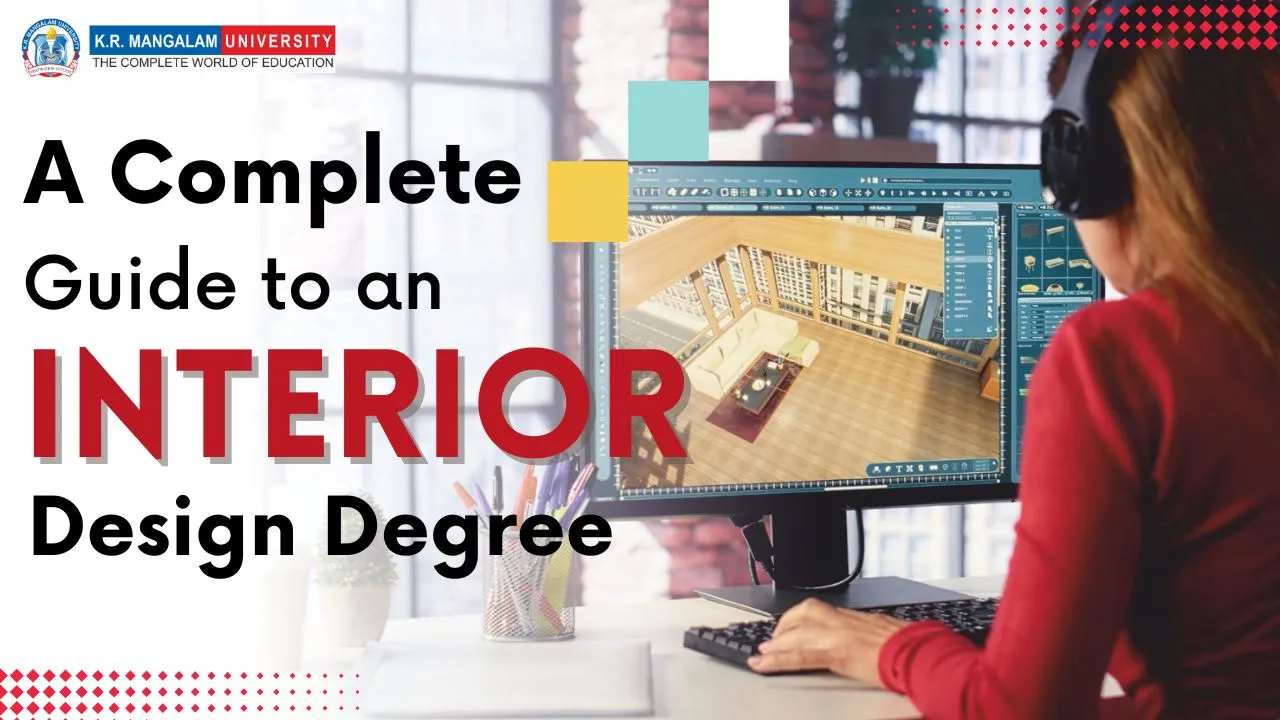
Interior design is a fulfilling profession since it transforms plain environments into visually beautiful ones. Interior designers create an environment that is safe, practical, and aesthetically pleasing by identifying a place’s needs and choosing necessary and ornamental elements.
In recent years, there have been many work prospects for young and skilled interior designers due to the growing popularity of interior design as a vocation. As more individuals invest in opulent and cosy houses, the interior design sector is becoming increasingly significant to construction projects.
All of these led to the rising demand for an interior design degree. In the blog we will put more insight into an interior design degree.
What is an Interior Design Degree Course?
An interior design degree course teaches students how to plan, design, and enhance interior spaces to make them functional, safe, and aesthetically pleasing. It covers design principles, materials, space planning, creativity, and technical skills like CAD. The course prepares learners for careers in residential, commercial, and specialised design fields.
An interior design course covers a wide range of topics, including:
- Methods for organising and designing spaces
- Colour theory and lighting
- Furniture design and planning
- CAD and design software applications
- Material selections and environmental principles
Both undergraduate and graduate-level courses are offered in this discipline. Certain institutions provide degrees or certifications as well.
Top Techniques Learnt in an Interior Design Degree Course
Every professional interior design course teaches students a well-rounded combination of hard and soft skills. To satisfy the needs of clients and the design business, interior designers need to possess certain skills that are as follows:
Technical Skills
The course includes intensive instruction in the following technical abilities necessary for an interior designer:
- Computer-Aided Design (CAD): Acquire proficiency with industry-standard commercial software such as AutoCAD, SketchUp, and Revit.
- 3D Visualisation: Make realistic design prototypes using 3D models and rendering technologies.
- Space Planning: Recognise how to maximise available space while considering client needs.
- Lighting Design: Learn about the technical details of artificial and natural lighting in different settings.
- Knowledge of Materials: Learn about materials, textures, finishes, and sustainable materials used in interior design.
- Technical Drawing: To implement plans, become an expert in architectural drawing and blueprint design.
- Building Codes & Safety: Learn about safety standards for residential and commercial spaces, along with relevant local and regional building codes and regulations.
Students who possess these technical interior design abilities are better equipped to manage real-world projects with accuracy.
Soft Skills
In the field of design, soft skills are just as important as technical expertise. The course will teach the learner:
- Communication Skills: Communicate effectively with clients, contractors, and suppliers.
- Creativity: Develop original ideas for various environments and lifestyles.
- Solving Issues: Use critical thinking to solve design issues.
- Time Management: Discover how to finish projects on schedule without compromising on quality.
- Collaboration with Experts: Work together with engineers, architects, and construction departments with ease.
- Client Handling: Recognise a client’s mental state and treat him with respect.
These skills are essential for an interior designer to ensure smooth collaboration and client satisfaction throughout the design process.
Also Read: Best College For Bachelor of Interior Design in Delhi-NCR
Factors Driving Interior Design Degree Popularity
Today, a Bachelor of Interior Design course is a desirable option among aspiring interior designers due to the rising need for creative professionals in residential and commercial design. Additionally, it has led to cultural changes in technology and how we see our living and working environments.
The following distinctive elements contribute to its popularity:
Becoming a Lifestyle Need
Nowadays, interior design is more of a lifestyle need. Even though they may be living in small urban flats these days, people still need individualised and functional designs. This cultural change proposes the conversion of lifestyle goals into practical settings.
Combining Design Thinking with Technology
Additionally, digital visualisation tools, AR/VR walkthroughs, and sustainable materials science are used in interior design. Aesthetics may stand out since the profession has included technology and problem-solving.
Increasing Interest in Sustainable Practices
Progressive interior design includes things like sustainable layouts, energy-efficient lighting, and green materials. Students are enthusiastic about environmental concerns and wish to contribute by combining artistic expression with environmental responsibility.
Growth of Careers in Multiple Sectors
A degree in interior design can also lead to careers in retail design, urban planning, real estate consultancy, media and film set design, and even product creation. When compared to other speciality degrees, career routes are very significant due to their variety.
Possibility of Independence in Entrepreneurship
One of the industries where you might take a chance on being an early entrepreneur is interior design. A lot of young professionals can launch their own independent businesses. They can also work with architects or launch small firms.
Who Should Pursue an Interior Design Degree?
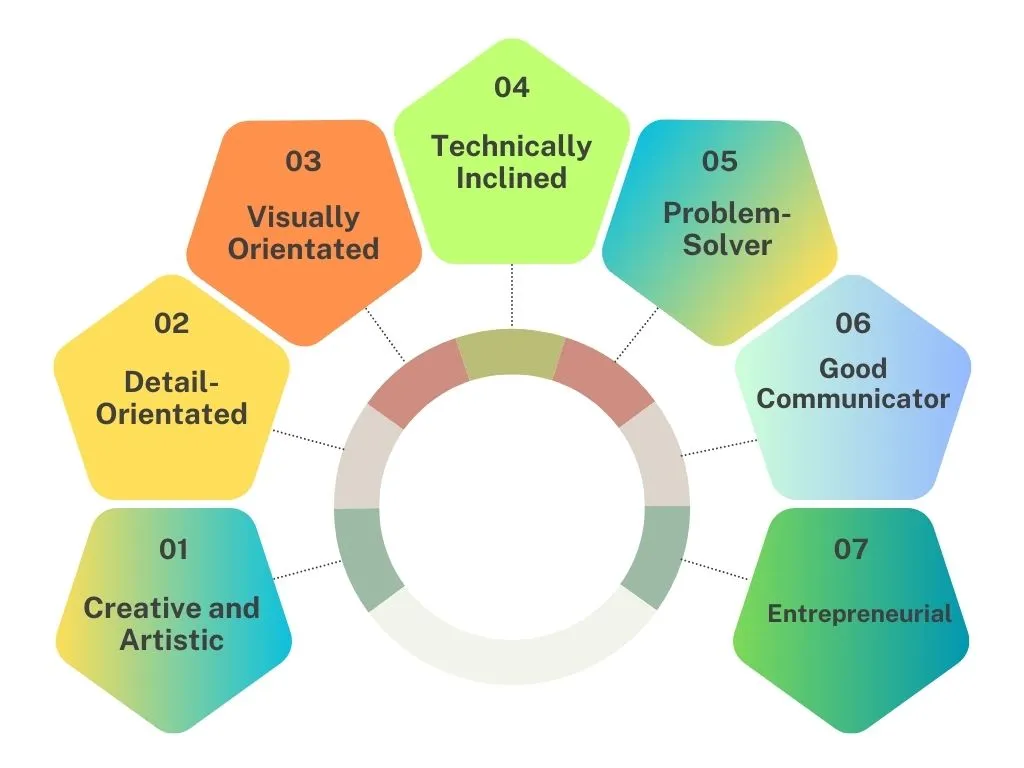
Below are the key characteristics of students who should pursue this degree:

- Creative and Artistic: Candidates who have an eye for aesthetics; working with colours and textures should be enjoyable for them. To produce original designs, they have to be able to think creatively.
- Detail-Orientated: Their attention to detail must be acute. They should interpret how a space’s atmosphere and feel are influenced by design aspects.
- Visually Orientated: They take delight in turning boring or unremarkable areas into lovely and useful settings.
- Technically Inclined: They have a strong desire to learn and advance their proficiency using design software. These programmes include 3D modelling software, AutoCAD, and SketchUp.
- Problem-Solver: They ought to be able to reconcile creative vision with practical constraints. Among these constraints are building rules, budgets, and client demands.
- Good Communicator: They can effectively communicate your design thoughts to clients, vendors, and contractors. They may collaborate with a range of personalities.
- Entrepreneurial: They might want the freedom to start their own design firm and work for themselves in the future.
Interior Designer Degree Requirements
To pursue a bachelor’s degree or certificate in interior design (or a related field), graduates must have completed 10+2 (high school). They need a minimum aggregate score, which usually falls in the range of 50%-55%. This eligibility criteria is required by most colleges offering interior design programmes.
Depending on the institution, they may need to pass an entrance exam and have a portfolio. For master’s degrees, a bachelor’s degree in a relevant field is required.
For Undergraduate Programmes
- Education: Complete 10+2 (Class 12) in any stream from a recognised board.
- Minimum Marks: Meet the minimum aggregate percentage, which is often around 50% to 55% in class 12.
- Entrance Exam: Prepare for and pass entrance exams such as CUET, UCEED, NID DAT, or NIFT, which are required by many colleges.
If aspirants satisfy all of this, they are eligible for an interior design bachelor’s degree.
For Postgraduate Programmes
- Education: Hold a bachelor’s degree in a relevant field like interior design, or an equivalent qualification.
- Minimum Marks: Achieve a minimum aggregate score in your bachelor’s degree, which can vary by institution but is often around 55%.
- Entrance Exam: Entrance exams may be required for master’s programmes as well.
If aspirants satisfy all of this, they are eligible for an interior design postgraduate degree.
Diploma and Certificate Programmes
- Education: A diploma in interior design can be pursued after completing Class 10.
- No Entrance Exam: Many diploma programmes do not require entrance exams.
- Flexibility: These programmes are open to students from all streams.
If aspirants satisfy all of this, then they will acquire a certificate for an interior design degree.
Career Opportunities After an Interior Design Degree
Below are some jobs that graduates or postgraduates can acquire after getting an interior design degree:
- Interior Designers: Interior designers develop spaces that are secure, practical, and visually beautiful. They often generate and alter plans, study building codes and design trends, make client presentations, and oversee project finances.
Average Annual Salary Range (Freshers): Rs 2.5 lakh to Rs 5 lakh
- Interior Decorators: Interior decorators are experts that focus on designing and enhancing the aesthetics of a space. Among their primary duties are selecting colour schemes, obtaining and framing wall art, and finding extra decorations and accessories for a room. These professionals are also responsible for setting up the furniture and creating the layout of the room in order to realise their client’s vision.
Average Annual Salary Range (Freshers): Rs 2.5 lakh to Rs 4.5 lakh
- Technical Designers: Technical designers work with clients and other professionals to turn creative ideas into practical products. Their primary duties may include creating production plans, developing plans, and quality-checking products. In order to make sure that their goods are in demand, technical designers may also explore market trends.
Average Annual Salary Range (Freshers): Rs 3 lakh to Rs 6.5 lakh
- Industrial Designers: Similar to technical designers, industrial designers are responsible for developing plans for a product’s mass manufacturing. Among their primary duties are customer communication, product design, project budget management, etc. Industrial designers also create production strategies and research manufacturing regulations.
Average Annual Salary Range (Freshers): Rs 2.5 lakh to Rs 5 lakh
- Architects: Architects create a variety of buildings, such as homes and corporate offices. Their primary duties frequently include meeting with customers, developing and modifying designs, estimating project costs, and researching building regulations. Architects may often visit construction sites to ensure that the contractors follow their design concepts.
Average Annual Salary Range (Freshers): Rs 1.5 lakh to Rs 3 lakh
- Executive Directors: Senior-level experts work as executive directors for interior design firms. They are in charge of the goals, finances, and product design policies of their company. In addition to overseeing other senior management personnel, executive directors may collaborate closely with the company’s shareholders.
Average Annual Salary Range: Rs 20 lakh to Rs 30 lakh
- Interior Design Assistants: Interior designers receive administrative help from interior design assistants. Their main responsibilities may include organising meetings, procuring supplies, filing client information, etc. Professionals frequently work in this entry-level role to obtain expertise in order to pursue careers as interior designers.
Average Annual Salary Range (Freshers): Rs 2.5 lakh to Rs 5 lakh
- Bloggers: They are professionals who post written information, images, and videos about a certain topic. In order to share their work and ideas, professionals with an interest in interior design may begin working as bloggers. The main responsibilities of this position may vary depending on the topic that the experts choose to concentrate on. Interior design blogs may do research on design trends, offer their thoughts, provide project instructions, or elucidate interior design concepts. To make money from advertising, bloggers frequently have to work with businesses.
Average Income Range/Month: Rs 1.5 lakh to Rs 2.5 lakh
*Note: The incomes mentioned above are sourced from various sources on the internet. Hence, they can vary. Moreover, experience, location, education, and specialisation are some of the elements that affect interior designers’ pay.
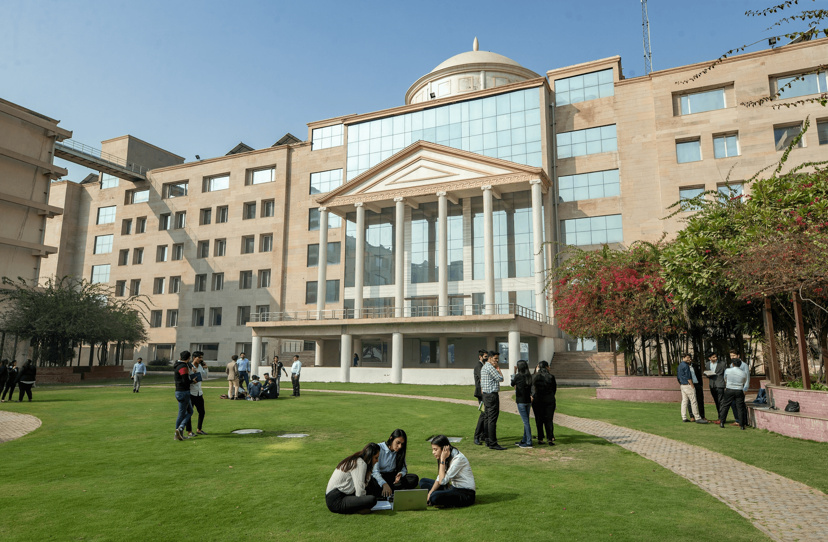
K.R. Mangalam University: Best University for Interior Design Degree
K.R. Mangalam University (KRMU) is widely recognised as the best college for interior designer degree in India. This is because its interior designing programme is a blend of creativity, technology, and industry-focused learning. The university’s programme emphasises:
- Architectural understanding
- Hands-on studio work
- Spatial planning
- Design thinking
- CAD tools
All of this helps students develop strong creative and technical capabilities.
KRMU guarantees that students acquire practical knowledge and professional preparation. It does all this through its cutting-edge design laboratories, knowledgeable teachers, worldwide exposure, and internship possibilities with top design studios and businesses. Because of its industry-driven curriculum and robust placement assistance, KRMU is a great option for anybody hoping to pursue a lucrative career in interior design.
Conclusion
Students who pursue an interior design degree get access to innovative, exciting, and lucrative employment. An interior design course is a viable option for students who are enthusiastic about using creativity and beauty to improve environments. Interior design professionals are more in demand than ever because of the expansion of modern homes, business infrastructure, and experiential design trends.
Choosing the right institution is crucial for success in this area. K.R. Mangalam University is among the best universities that offer a comprehensive degree in interior design. As a result, students get outstanding technical capabilities, design thinking abilities, and real-world project experience.
Are you prepared to make a fulfilling profession out of your creativity? Start your path to becoming an interior design professional by getting admission to KRMU’s Interior Design Degree.
Also Read: Interior Design Career: Scope, Skills & Job Opportunities
FAQs
What is an interior design degree?
An interior design degree is a professional programme that teaches students how to plan, design, and enhance interior spaces using creativity, technical skills, and design principles.
What are the eligibility requirements for an interior design degree?
Eligibility for an interior design degree typically includes completing Class 12 from a recognised board. Some institutions may also conduct entrance exams or portfolio evaluations.
Which is the best college for an interior design degree in India?
Several reputed colleges offer quality programmes, but K.R. Mangalam University stands out as one of the best for an interior design degree, thanks to its industry-focused curriculum, experienced faculty, and strong emphasis on practical, hands-on learning.
What is the duration of an interior design degree?
An interior design degree, such as a Bachelor of Interior Design or B.Des. (Interior Design) typically takes 4 years to complete.

























 13+Years of Educational Experience