Fashion is not just about clothes. It is a field that encourages self-expression, creativity, innovation, and cultural engagement. Labels release new collections every season, new designs appear, and online fashion businesses are booming. This growth has created huge demand for trained professionals, including Fashion designer, Stylists, Merchandiser, Illustrators, and Fashion entrepreneurs
If you are interested in pursuing a career in fashion design, then pursuing a fashion design course should be your target. Additionally, knowing what you will study is crucial before enrolling in a fashion design programme. A fashion designing course syllabus includes Sketching, Stitching, Digital design, Marketing, and Fabric science.
Through the fashion designing course syllabus, students learn how an idea becomes a complete outfit worn by models or customers. The course also builds confidence, presentation skills, creativity, and industry experience through practical workshops and internships. In simple words, a fashion designing course is a blend of art, creativity, technology, and business.
In this blog, we will explain the fashion designing course syllabus, subjects, course duration, books, skills you will learn, and future career opportunities.
About the Fashion Designing Course
Students who enjoy colours, textiles, drawing, styling, or anything else associated with fashion and trends will find this course ideal. Even if a student cannot draw perfectly in the beginning, the fashion designing course syllabus will make them experts in fashion (provided that the syllabus is well structured).
A fashion designing course syllabus includes:
- Creative learning – sketching, styling, designing outfits
- Technical learning – garment construction, stitching, pattern making
- Material knowledge – fabrics, textiles, dyes, prints
- Digital learning – CAD software, digital patterns, portfolio design
- Industry learning – fashion shows, merchandising, marketing, brand building
With the help of the fashion designing course syllabus, students learn how fashion works in real life. For example:
- Why some fabrics are used for winter and some for summer
- How a designer chooses colour, fabric, and style
- How brands plan new collections every season
- How fashion trends spread across countries
- How garments are stitched in factories and sold in shops or online
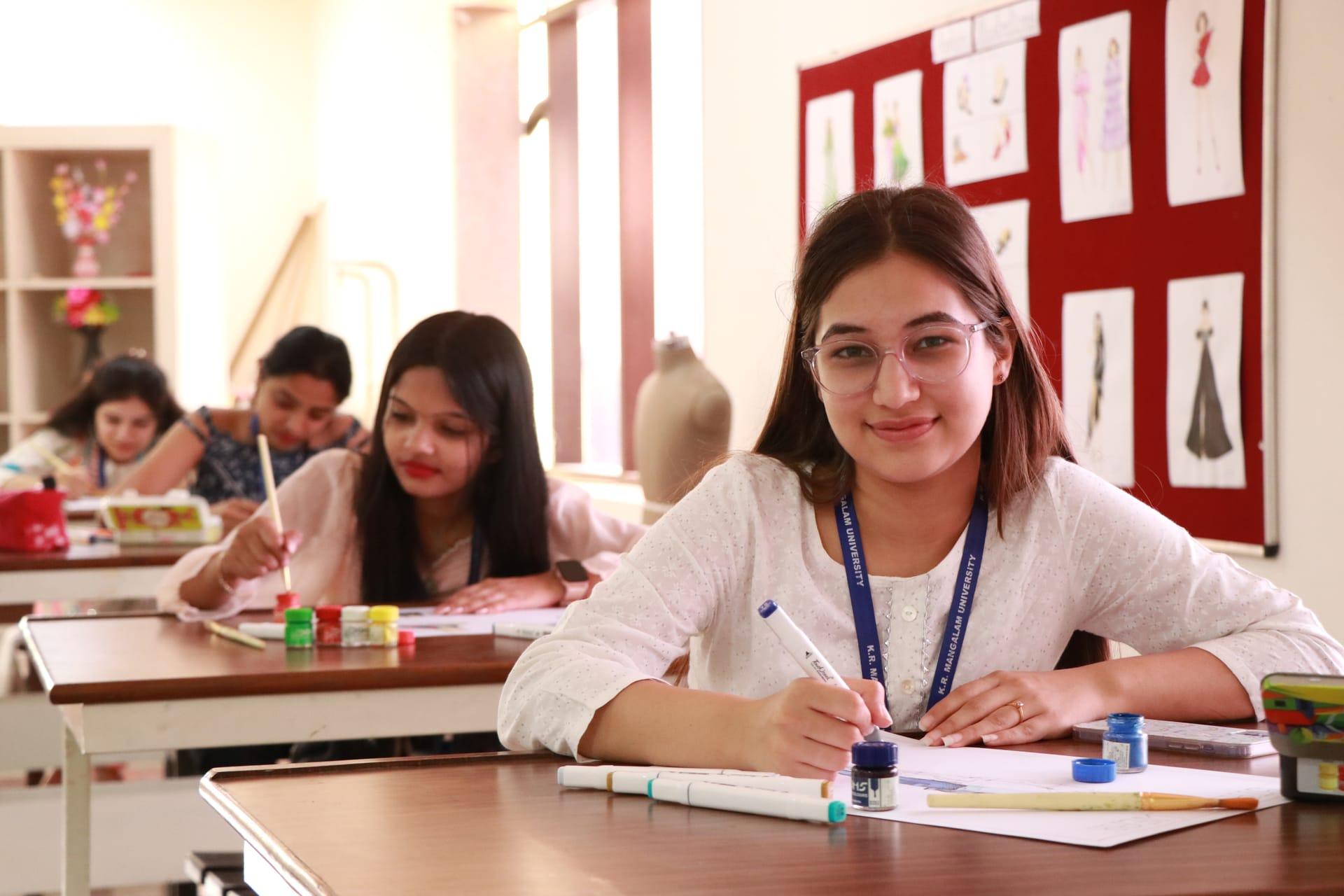
A good fashion designing course syllabus focuses on hands-on training. Students work in computer labs, textile labs, stitching workshops, and design labs. They also participate in exhibitions or fashion shows. In these places, they get to present their collections and build a professional portfolio.
The best part is that the syllabus for the fashion designing course is not limited to clothing. Students can explore different areas like:
- Accessories
- Footwear
- Jewellery design
- Costume design
- Textile design
- Styling
- Fashion communication
Therefore, taking a fashion design course equips students to work confidently in the real fashion industry in addition to teaching them theory.
Also Read: Why K.R. Mangalam University Stands Out As Best Fashion Designing Colleges In Delhi NCR?
Fashion Designing Course Duration and Description
The duration of a fashion design course is typically determined by the student’s academic level and career objectives. The majority of students typically begin with an undergraduate degree. There are others who opt for short-term certificate or diploma programmes in order to obtain immediate exposure to the industry.
Undergraduate Degree (B.Des. / B.Sc. in Fashion Design – 3 to 4 Years)
This is the most common, popular and comprehensive fashion design programme. A bachelor’s programme builds a strong foundation in:
- Design fundamentals
- Textiles
- Garment construction
- Fashion illustration
- fashion business
Students receive a combination of classroom instruction, hands-on workshops, internships, industry visits, and portfolio development over the course of six to eight semesters.
Diploma or Advanced Diploma (1 to 2 Years)
Students who want targeted training without a long-term commitment can enrol in diploma programmes. Real-world skills are emphasised in these courses, including:
- Pattern making
- Sewing techniques
- Draping
- Computer-aided design (CAD)
- Accessory design
Many learners choose a diploma to enter the industry faster or to improve existing skills.
Certificate Courses (3 to 6 Months)
Certificate programmes are short and concentrate on specific competencies. Experts, beginners, and enthusiasts who wish to hone a single skill will find them ideal. Sewing, digital clothing design, boutique management, and embroidery are some of these skills.
Master’s Degree (2 Years)
Students who wish to specialise or enter leadership roles pursue a master’s degree, such as an M.Des. or MFA. This level focuses on:
- Advanced design research
- Luxury fashion
- Global fashion marketing
- Sustainability practices
- Innovation
Fashion Designing Course Syllabus
A fashion design syllabus is structured to help students build both creative and technical expertise. The curriculum incorporates exposure to the industry, design theory, practical clothing construction, and digital skills. The majority of fashion design programmes cover the following fundamental topics, though each institution may have a slightly different curriculum:
Foundation Modules
These subjects help students understand the basics of design and creativity. It covers topics like:
- Elements & Principles of Design (Balance, Proportion, Rhythm, Harmony, Contrast, etc.)
- Fashion Illustration & Sketching
- Colour Theory
- Basics of Textile Science
- Introduction to the Fashion Industry
- Design Thinking & Creative Process
Outcome: Students gain knowledge of sketching, visualisation, and the process of turning fashion design concepts into paper.
Textile & Fabric Studies
It helps in understanding fabrics that are essential for garment construction. It includes:
- Textile science
- Fibre and yarn study
- Fabric manufacturing techniques
- Dyeing & printing methods
- Surface ornamentation & embroidery
- Traditional & contemporary Indian textiles
Outcome: Students comprehend the behaviour, quality, durability, and appropriateness of fabrics for various clothing items.
Pattern Making & Garment Construction
These subjects teach students how to turn a fashion sketch into a real outfit. That is why it includes:
- Draping techniques on dress forms
- Stitching & sewing techniques
- Apparel construction
- Garment fit & adjustments
- Quality control & finishing
Outcome: Students get practical experience making patterns and professionally tailoring clothing.
Digital Fashion Tools
Modern fashion heavily relies on digital technology.
- Computer-Aided Design (CAD)
- Adobe Illustrator & Photoshop for Fashion
- Digital Pattern Making
- 3D Fashion Modelling & Virtual Draping
Outcome: Students gain the ability to create virtual clothing, fashion catalogues, and sketches that are used by designers around the world.
Fashion Illustration & Portfolio Development
- Hand-drawn and digital figure sketching
- Designing garment details—sleeves, collars, silhouettes
- Creating mood boards, storyboards, and theme boards
- Fashion shoots & model styling
- Final professional portfolio (very important for jobs)
Outcome: Aids students in showcasing their abilities and inventiveness to clients or employers.
Fashion Marketing, Merchandising & Business
Fashion marketing, merchandising & business include:
- Fashion Marketing
- Branding & Fashion Communication
- Retail Management
- Visual Merchandising
- Fashion Entrepreneurship
- E-commerce & Boutique Management
Outcome: Students gain knowledge about how fashion brands operate, how goods are distributed to consumers, and how to start a successful fashion company.
Specialisations & Electives
Students can choose the following areas based on their interest:
- Luxury Fashion
- Bridal Wear Design
- Knitwear Design
- Costume Design
- Footwear & Accessory Design
- Sustainable & Eco-friendly Fashion
- Textile Design
Outcome: Increases specialised knowledge for improved job prospects.
Internships, Workshops & Industry Projects
Internships, workshops and industry projects consist of:
- Live industry projects
- Fashion studio training
- Internship with brands, designers, or export houses
- Field visits to textile mills and manufacturing units
- Annual Fashion Show / Portfolio Showcase
Outcome: Provides exposure to the real world and the self-assurance needed to work professionally after the course.
Also Read: KRMU is Among the Best Fashion Designing Colleges in India
Fashion Designing Subjects
The goal of fashion design courses is to foster students’ technical proficiency, business acumen, fashion sense, and inventiveness. The majority of fashion design courses cover the following main topics, though the specific topics may differ from college to college:
Fashion Illustration & Sketching
- Human figure drawing (croquis)
- Creating garment sketches
- Designing silhouettes, drapes, textures, and prints
- Hand and digital illustrations
Why it matters: Before turning ideas into reality, a designer needs to be able to visualise them on paper.
Elements & Principles of Design
- Colour, balance, proportion, rhythm, harmony, contrast
- Creating attractive and functional designs
Why it matters: Helps in understanding what makes a garment aesthetically appealing.
Textile Science
- Types of fabrics, fibres, weaves, dyeing, printing
- Fabric selection based on garment needs
Why it matters: Every garment depends on the right choice of fabric and its behaviour.
Pattern Making & Garment Construction
- Creating basic patterns for tops, skirts, trousers, and dresses
- Draping on mannequins
- Tailoring and sewing techniques
Why it matters: Students learn to turn a 2D sketch into a 3D outfit.
Fashion CAD (Computer-Aided Design)
- Digital illustration using Photoshop, Illustrator, CorelDraw
- Virtual garment visualisation
Why it matters: The fashion industry uses digital tools for designing, catalogues, and marketing.
Apparel Production & Quality Control
- Cutting, stitching, finishing, production techniques
- Quality checks for mass garment manufacturing
Why it matters: Important for those who want to work in production houses or start a clothing brand.
Fashion Marketing & Merchandising
- Consumer behaviour, branding, product pricing
- Visual merchandising & retail management
Why it matters: Helps students understand how fashion products sell in the market.
Fashion Communication
- Fashion photography
- Styling and makeup basics
- Media and fashion journalism
- Promotional campaigns & social media
Why it matters: Fashion is also about presentation and storytelling, not just clothing.

Boosts Imagination & Creative Thinking
These fashion books expose students to the journeys of iconic designers, revolutionary design ideas, and trends from different cultures and eras. By understanding how others think creatively, students begin developing their own unique perspectives. Reading helps them explore new colours, silhouettes, and patterns beyond what they encounter in their everyday surroundings.
Strong Understanding of Fashion History
Fashion keeps evolving, yet many trends often make a comeback from the past. These books help students understand vintage fashion, historical clothing, and the cultural influences that shape garments. By learning the history behind styles, aspiring designers can create with purpose and originality rather than merely copying existing trends.
Helps Build Fashion Vocabulary
Fashion has a language of its own, and reading these books helps students become fluent in it. They get familiar with essential terms such as silhouette, pleats, muslin, bias cut, and haute couture. Understanding this vocabulary not only builds confidence but also makes communication smoother during internships, interviews, and professional settings.
Encourages Original Design Ideas
Instead of copying designs seen on social media, books inspire genuine originality. Through them, students learn how collections are conceptualised, how designers think, and how brands build their identities. This understanding helps them develop a distinct and personal style.
Better Research & Problem-Solving Skills
Fashion designers constantly engage in problem-solving—deciding which fabric best suits a design, identifying what causes discomfort in a garment, and exploring how clothing can be made more environmentally friendly. Books on fashion design often include case studies and real-world industry examples that help readers develop logical thinking and effective problem-solving skills.
Helps Build Portfolio & Classroom Projects
Ideas from books often evolve into innovative sketches, creative assignments, and strong portfolio themes. Regular readers tend to produce more sophisticated and reflective work, drawing inspiration from diverse narratives and perspectives.
Skills You Gain During the Course
- Creativity & imagination
- Digital design skills
- Technical garment construction
- Trend analysis & forecasting
- Communication & presentation skills
Career Scope After Fashion Designing
Numerous subjects pertaining to fashion design are covered in the course programme. Once your course is over, you can work as
- Fashion Designer (Average annual earning range – Rs 3 to Rs 6 LPA)
- Fashion Illustrator (Average annual earning range – Rs 3 to Rs 6 LPA)
- Fashion Stylist (Average annual earning range – Rs 2.5 to Rs 5 LPA)
- Pattern Master (Average annual earning range – Rs 3 to Rs 6 LPA)
- Merchandiser (Average annual earning range – Rs 3 to Rs 7 LPA)
- Textile Designer (Average annual earning range – Rs 6 to Rs 9 LPA)
- Fashion Blogger/Influencer (Average annual earning range – Rs 10 to Rs 15 LPA)
- Costume Designer (Film/TV/Ads) (Average annual earning range – Rs 4 to Rs 6 LPA)
- Boutique Owner or Entrepreneur (Average annual earning range – Rs 15 to Rs 20 LPA)
- Visual Merchandiser (Average annual earning range – Rs 5 to Rs 7 LPA)
*Note: The earnings mentioned above are sourced from various sources on the internet. Hence, they can vary.
Industries That Hire Fashion Designers
- Clothing and apparel brands
- Export houses
- Garment manufacturing companies
- Fashion magazines and media
- E-commerce brands
- Footwear and accessories companies
- Retail brands and fashion stores
The fashion industry is huge and keeps growing, so creative people always have space to build their careers.
Best Fashion Design Schools: What to Look For?
Before choosing an institute to study fashion design, make sure it offers the following:
- Modern design labs and stitching equipment
- CAD software for digital fashion
- Experienced faculty and designers
- Fashion shows and exhibitions
- Internship and placement support
- Strong portfolio building guidance
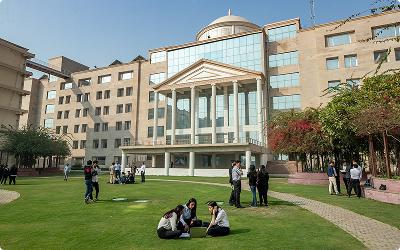
Fashion Designing Course at K.R. Mangalam University (KRMU)
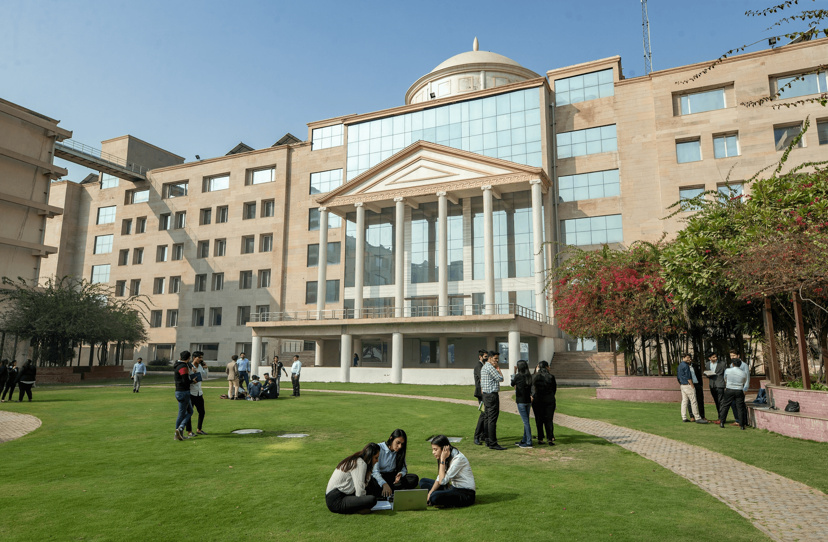
K.R. Mangalam University offers a B.Des. in Fashion Design programme. It has a well-structured fashion designing course syllabus for students who want a career in the fashion world. The course offers:
- Modern design and stitching labs
- CAD tools for digital designing
- Live industry projects
- Fashion exhibitions and fashion shows
- Portfolio development
- Internship and placement support
Students learn directly from experienced faculty and gain real-world exposure. All of this helps them build strong careers in the fashion designing field.
Highlights of the Fashion Design Course offered at KRMU
Conclusion
Fashion design offers an exciting career for students who love creativity, styling, and innovation. With a suitable fashion designing course syllabus and practical experience, you can build a successful future in the fashion industry. Your career is greatly influenced by the university you attend. K.R. Mangalam University offers possibilities for experiential learning, professional supervision, and state-of-the-art facilities.
If you want to make designs that people like to wear, fashion design might be the perfect career choice for you.
FAQs
What is covered in a fashion designing course syllabus?
A fashion designing course syllabus includes sketching, textile science, pattern making, garment construction, fashion CAD, fashion marketing, and portfolio development. Students also learn styling, surface ornamentation, and fashion communication.
Which subjects are important in fashion design?
Important fashion designing subjects include illustration, design principles, textile science, pattern making, garment construction, CAD, fashion marketing, and surface ornamentation. These build both creative and technical skills.
Do I need drawing skills to study fashion design?
Basic drawing helps, but it isn’t mandatory. During the course, students are taught how to sketch fashion figures and digital designs. Creativity, observation, and imagination matter more than perfect drawing.
Which is the best university to study fashion design?
Many institutes offer fashion design courses, but choosing a university with modern labs, experienced faculty, industry exposure, and placement support is important. K.R. Mangalam University, one of the best university for fashion design, for example, offers a comprehensive B.Des in Fashion Design. Its fashion designing course syllabus gives students a deep insight into fashion designing.

























 13+Years of Educational Experience