An architecture degree is a professional degree programme that teaches students how to design buildings, plan spaces, and create structures that are functional, safe, and aesthetically appealing. Being one of the most respected fields in the world, architecture blends creativity, engineering, and problem-solving—making it ideal for those who want to shape the built environment. The demand for architecture professionals is rising as cities expand, infrastructure projects increase, and both the public and private sectors invest heavily in smart, sustainable, and tech-driven development. This rise encourages students to pursue formal architectural training, build creative-technical skills, and choose universities that offer the best architecture degree.
In this blog article, more will be discussed on this degree.
Course Overview
The table below presents a quick overview of an architecture degree, its components, and career opportunities. It can serve as an easy reference for someone exploring architecture as a career path. In short, it is a summarised version of the information provided in the blog.
| Particular |
Details |
| What is an Architecture Degree? |
A course that teaches the design and construction of buildings and spaces, blending art, technology, and science. |
| Key Skills Acquired |
Architectural design, Technical expertise, Presentation & visualisation, Critical thinking, Communication, Research, Sustainable design integration |
| Courses |
Bachelor of Architecture (B.Arch), Bachelor of Science (BS) in Architecture, Dual Degree Programmes |
| Career Opportunities |
Architect, Graphic Designer, Framer, Project Coordinator, CAD Designer, Architectural Drafter, Restoration Architect, Landscape Architect, Urban Planner, Structural Designer, Architectural Historian, Professor |
| Why KRMU for Architecture? |
Top faculty & cutting-edge facilities, Focus on creativity & critical thinking, International collaboration and exchange programs, Industry-relevant curriculum and global perspective |
What is Bachelor of Architecture Degree?
Bachelor of Architecture is an undergraduate programme that teaches students how to do architectural work in the real world as well as design and construct structures. This architecture degree duration is five years.
This course aims to address a wide range of architectural issues and concepts. It is within the category of planning and architecture. It provides students with the tools they need to learn by combining theory and experience. Students who love the arts and aesthetics will find it an ideal course to pursue. The Bachelor of Architecture course assesses a candidate’s aptitude in mathematics, architecture and construction, creativity, and spatial mapping. It covers visual arts, history, architectural graphics, and environmental studies.
The curriculum of this degree is designed to gradually increase students’ knowledge and abilities over a five-year period. Basic construction technologies, design, and drawing are covered in the first two years. Advanced design studios, specific building systems courses and electives are the main emphasis of the third and fourth years. A final design project, professional practice classes, and an internship are all part of the fifth year. By the time they graduate, students will be well-prepared for professional practice thanks to this course structure.
Also Read: Architecture Course: Guide to Becoming an Architect in India
Architecture Degree: Significance
An architecture degree teaches students how to design and construct safe, aesthetically pleasing, and useful buildings, spaces, and structures. It is an amalgamation of technology, science, and art. In order to assist students in comprehending how to make ideas a reality, the curriculum teaches them about building materials, construction methods, and design concepts.
Design theory, drawing, computer-aided design (CAD), and building codes are among the topics covered in this degree. They also learn how to design energy-efficient structures and about sustainability. Many schools require students to work on real-world projects, usually in a studio environment, and develop a portfolio of their work. With this, students can learn how to solve problems creatively. They get an opportunity to acquire experience in creating different kinds of structures through this practical training method.
Architecture Degree Courses
Architecture programmes provide a range of degree options based on students’ interests and professional objectives. The following are some options for programmes:
- Bachelor of Architecture (B.Arch): This professional undergraduate architecture degree programme trains students to become licensed architects. Architectural design, building technology, architectural history, and professional practice are usually included in the curriculum. Under the expert supervision of academicians and business experts, students work on architectural projects in design studios.
- Bachelor of Science (BS) in Architecture: This pre-professional undergraduate degree programme gives students a foundation in architectural theory, design principles, and technical abilities. Courses on building construction, digital design tools, architectural history, and sustainable design techniques are generally included in the curriculum.
- Dual Degree Programmes: A professional architecture degree plus a degree in a related discipline, such as urban planning, landscape architecture, or construction management, can be obtained by students enrolled in certain institutions’ dual degree programmes. Students enrolled in these programmes receive multidisciplinary education and a wider range of skills to tackle challenging problems in the built environment.
Architecture Degree: Skills Learnt
A wide range of skills necessary for success in the area of architecture and associated professions are covered in architecture degree courses.
- Architectural Design: Using a variety of mediums, such as hand drawings, computer modelling software, and physical models, students learn how to conceive, develop, and convey architectural design concepts. They gain expertise in design-making, spatial organisation, and design principles to produce creative and useful architectural solutions.
- Technical Expertise: Students enrolled in architecture programmes are taught the technical facets of architectural work. These facets include building systems, structural engineering concepts, and building supplies and techniques. In order to ensure structural integrity, environmental performance, and adherence to building standards and regulations, students learn how to incorporate technical factors into their design projects.
- Presentation and Visualisation Techniques: In order to successfully convey their design concepts to customers, stakeholders, and the general public, students learn architectural visualisation and presentation techniques. Using digital tools and multimedia platforms, they learn how to produce captivating architectural drawings, renderings, and presentations that effectively communicate their design thoughts and objectives.
- Critical Thinking Skills: By requiring students to evaluate intricate design issues, spot possibilities, and suggest original solutions, architecture schools help students develop critical thinking skills. Students gain the ability to analyse design options and evaluate project limitations. This enables them to make well-informed judgements that strike a balance between practical, aesthetic, and contextual factors.
- Communication Skills: Working in the collaborative area of architecture calls for strong teamwork and communication skills. In order to create integrated design solutions that satisfy the requirements of various user groups, students learn how to work together with architects, engineers, and customers.
- Research Skills: Students enrolled in architecture programmes are encouraged to investigate architectural topics, trends, and innovations via research skills. In order to convey their design choices and further the conversation in the area of architecture, students learn how to undertake research, evaluate antecedents, and synthesise results.
- Integrating Sustainability Design: Students enrolled in architecture schools are taught how to incorporate sustainable design techniques into their work. In order to reduce environmental impact and foster resilience in the built environment, students study passive design strategies, energy-efficient building systems, and renewable materials.
How to Get an Architecture Degree?
To get an architecture degree, aspirants are generally required to complete 10+2 (science stream with PCM), pass entrance exams like NATA or JEE Main Paper 2, and then earn a 5-year B.Arch (Bachelor of Architecture) from an accredited University, focusing on design, math, engineering, and gaining practical studio/internship experience to prepare for professional licensure later.
Career Opportunities After an Architecture Degree
Below are some of the career opportunities after this degree:
Architects
A variety of structures are planned, developed, and designed by architects. They have to supervise a project from the beginning to the end. Architects need to focus especially on designing aesthetically pleasing, safe, and cost-effective designs. They communicate with customers and construction experts on a regular basis to create design plans that take into account different building processes. Many architects focus on particular architectural specialities, such as extreme architecture, green architecture, commercial architecture, and residential architecture, among others.
Graphic Designers
In order to produce visual designs for use in publications, labels, marketing materials, signage, and other media, graphic designers employ hybrid art approaches. They can communicate with customers to ascertain their particular requirements and handle font, formatting, colour, and other details. Graphic designers then create creative concepts, layouts, and visuals for their clients.
Framers
Framers create or fix the framework of building structures using carpentry and engineering-based abilities. They could be employed in the residential, commercial, or industrial sectors. Framers are in charge of determining the demands of the project, creating designs, and collecting measurements as needed. To make sure the building frame materials are structurally strong, they then cut, shape, and install them.
Coordinators of Architectural Projects
Coordinators of architectural projects work together with project development teams. They offer quality assurance inspections, analyse designs, and manage the workflow of structural tasks. Although project coordinators can work in a number of fields related to architecture, their main responsibility is to work with organisations and engineers to oversee construction projects.
CAD Designers
CAD designers create drawings and sketches for large-scale projects using specialised technologies. To produce such visuals, they utilise 2D pictures (surface models) and 3D images (solid models). In industries including architecture, manufacturing, and automobile design, CAD designers are heavily involved in the development processes. Usually, they convert difficult spoken talks or instructions into practical models.
Architectural Drafters
Architectural drafters produce intricate drawings of the blueprints and designs that architects use to construct buildings. They utilise certain software to develop their drafts and follow instructions from the architects. Architectural drafters usually have to convert abstract and complicated concepts into well-organised technical drawings that construction teams can utilise. Additionally, they incorporate instructions and dimensions into their writings.
Restoration Architects
Professionals who focus on maintaining and safeguarding historic buildings, structures, and monuments are known as restoration architects. Plans are created by them to prevent the buildings’ inevitable deterioration. The specific methods required to maintain original building materials, including wood, steel, granite, concrete, and more, are the domain of these architects. Depending on the requirements of their particular projects, they may manage a group of restoration experts or operate alone.
Landscape Architects
Parks, homes, school campuses, cemeteries, hotels and resorts, corporate campuses, gardens, and more are all designed, planned, and managed by landscape architects. In order to improve community and environmental health, many landscape architects plan and create spaces in a methodical manner. Landscape architects frequently collaborate to accomplish certain objectives within bigger projects and are experts in public planning.
Urban Planners
Designing public land for communal use is the responsibility of urban planners. In order to create community-friendly areas while adhering to rules, they must pay particular attention to construction codes and public policy. While some urban planners concentrate on improving the environment, others could be experts in transit infrastructure, historic preservation, or revitalisation.
Structural Designers
In the field of civil engineering, structural designers examine whether buildings, monuments, and other structures are structurally sound. Their research is on determining if buildings have relative strength, stability, and rigidity that can help them withstand degradation from environmental factors and load carrying.
Architectural Historians
The preservation and repair of historically significant structures are advised by architectural historians. In order to protect old buildings, they generally work with historical societies, governmental organisations, museums, cultural preservation groups, and public planning commissions. Architectural historians may concentrate their preservation research in their areas of expertise, such as environmental impact repair. This kind of specialisation aids historians in comprehending how environmental catastrophes affect architecture and how individuals from various eras and civilisations adapted to them.
Professors
Professors conduct a range of duties in colleges and universities. They are employed in a variety of disciplines, including architecture. They can teach undergraduate and graduate students studying in their subject, organise curricula, coordinate extracurricular activities, manage research projects, get funding, publish written material, and assist student growth, depending on their particular job. Additionally, professors frequently counsel students majoring in their subjects to guide their career growth and thesis research.
Why Choose K.R. Mangalam University (KRMU) for an Architecture Degree?
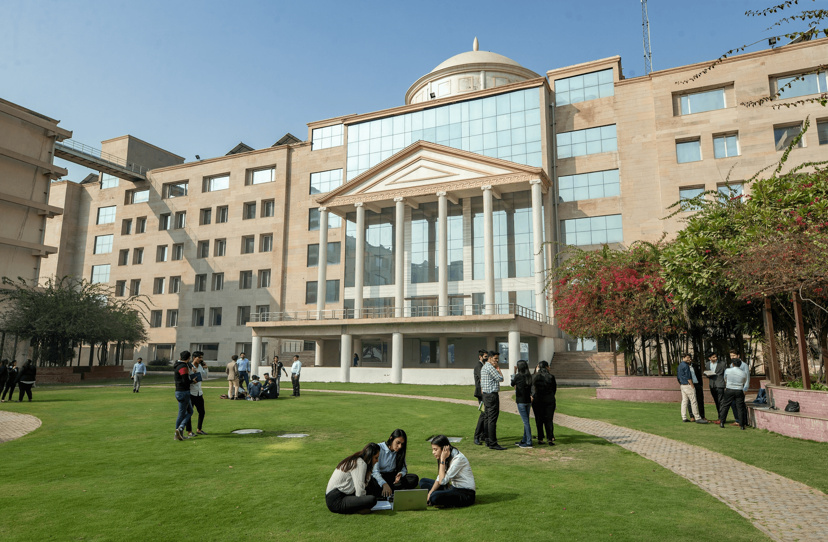
KRMU’s Bachelor of Architecture degree is well known for its cutting-edge facilities, top-notch faculty, and multidisciplinary approach. In order to ensure that graduates are well-prepared for the working world of architecture, the curriculum is designed to promote creativity, critical thinking, and a global perspective. A group of seasoned and well-known architects and educators teach the industry-relevant curriculum, which strikes a balance between technical proficiency and artistic design. Students have access to state-of-the-art facilities, such as research labs, workshops, and advanced design studios. Moreover, international cooperation and student exchange programmes offer a global perspective on architecture, equipping students for a prosperous career.
Conclusion
In this blog, we have covered every aspect of an architecture degree, including how many years to study architecture.
An architecture degree isn’t just a professional qualification—it’s a launchpad into a universe where space, culture, technology, and human experience intersect. As cities expand vertically, sustainability becomes non-negotiable, and design innovations reshape lifestyles, the demand for architects and allied design professionals continues to rise. For students, this surge signals a future filled with creative freedom, interdisciplinary roles, and the chance to build structures that outlive generations. Instead of producing textbook-trained graduates, KRMU cultivates designers who can think critically, sketch intuitively, collaborate effectively, and solve real urban challenges.
For anyone aspiring to be part of the next wave of transformative architecture, choosing the right academic environment becomes the first blueprint—and KRMU sets a strong foundation for that vision.
Also Read: Everything You Need to Know About Building a B Arch
FAQs
Is an architecture degree only about designing buildings?
Not at all. While building design is central, an architecture degree expands into urban planning, sustainability, materials research, digital modelling, interior environments, landscape concepts, and even product/furniture design.
How many years does it take to complete a Bachelor of Architecture?
The B.Arch programme is 5 years, as mandated by the Council of Architecture (COA), combining studio work, theory, site visits, and a compulsory internship.
Can B.Arch students shift to fields like graphic design or product design?
Absolutely. Architecture’s strong foundation in design principles, composition, and digital tools makes shifting to graphic design, UI/UX, furniture design, or set design very seamless.
Do I need an entrance exam to get into a B.Arch programme?
Most universities—including KRMU—accept scores from NATA or JEE Paper 2 (Architecture). Some also conduct personal interviews or design aptitude rounds.

























 13+Years of Educational Experience